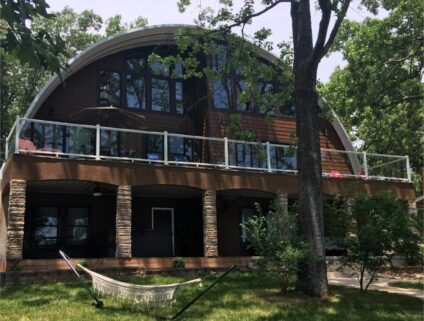
Beyond the Burn: Why California Survivors are Rebuilding with Steel
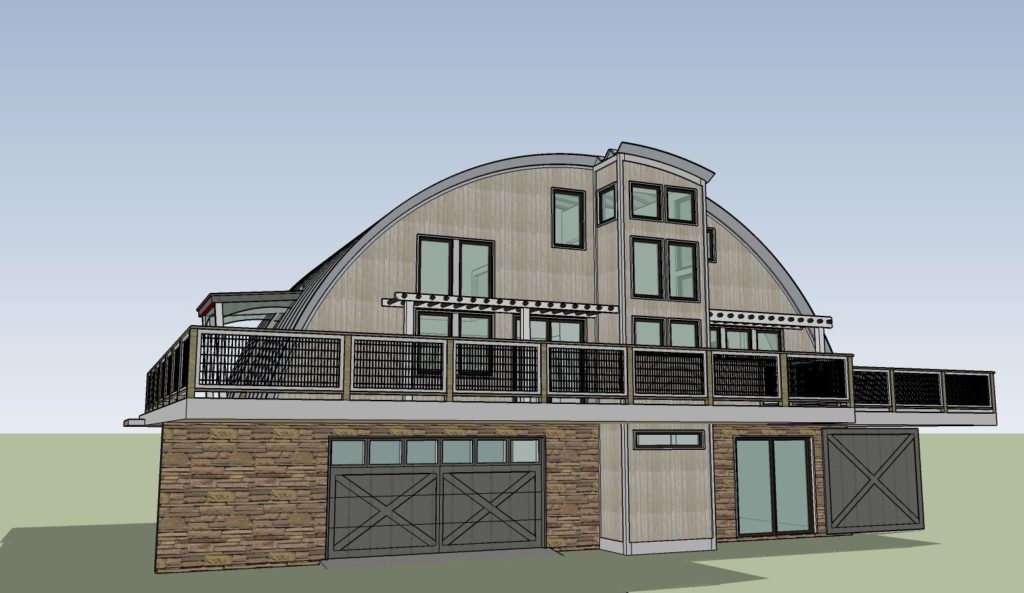
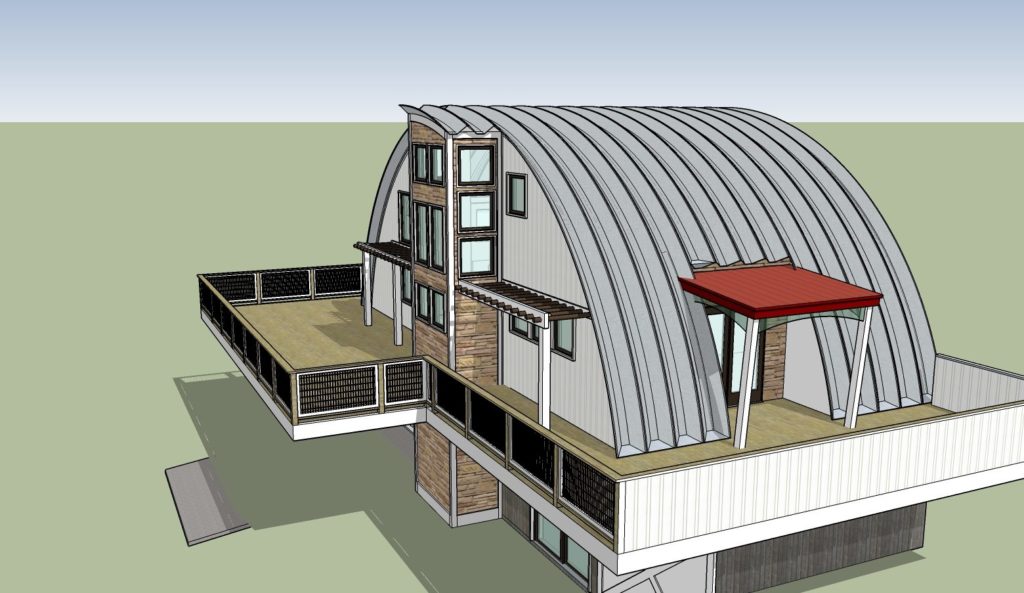
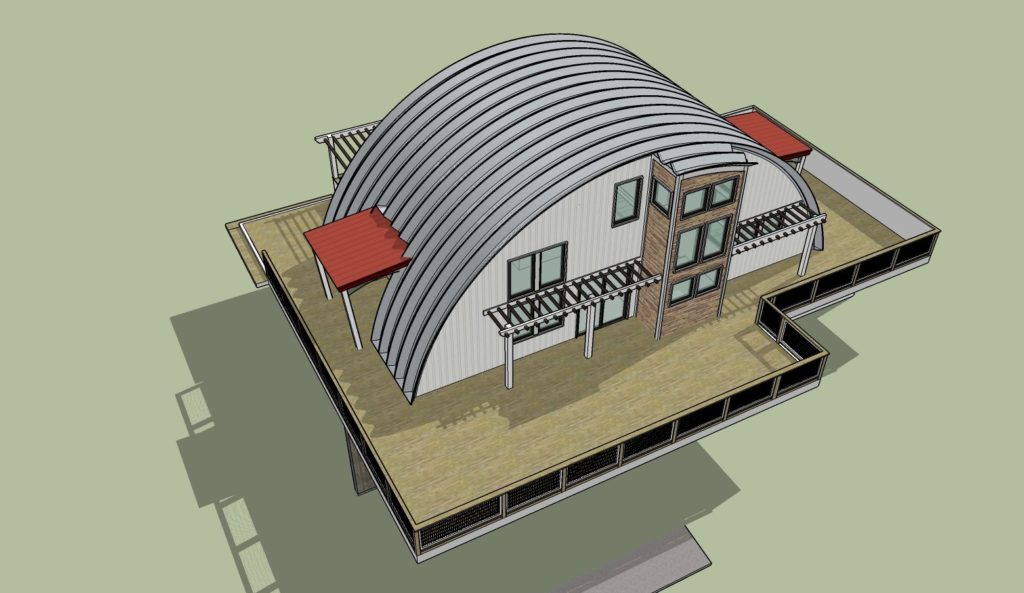
California’s 2018 wildfire season remains etched in the state’s collective memory as a deadly and destructive tragedy. With nearly two million acres destroyed, wildfires have forced a total reckoning for homeowners. As communities work to rebuild, the focus has shifted from merely replacing what was lost to ensuring it never happens again.
Vern Sneed, the founder of NonCombustibles LLC, spent years perfecting these kits in collaboration with SteelMaster. While he was initially hesitant to promote the kits during a time of tragedy, the worsening fire seasons changed his mind. When entire towns began to disappear, providing a non-combustible housing alternative became a moral necessity.
For many survivors, the search for a fire-resistant future has led to an unconventional but life-saving solution: Vern’s Q Cabin Kit.
Why Traditional Homes are Vulnerable
To understand why Quonset-style homes are gaining traction, one must look at why “stick-built” (wood-frame) homes fail during a wildfire:
- The Fuel Factor: Traditional wooden siding and trim act as kindling for advancing flames.
- Ember Intrusion: This is the leading cause of home loss. Wind-blown embers find their way into attic vents or under eaves, igniting the house from the inside out.
- Radiant Heat: Intense heat from nearby burning trees can cause traditional siding to ignite even without direct flame contact.
California law now mandates non-combustible exteriors in high-risk zones. While many builders do the bare minimum to meet these codes, the Q Cabin Kit was engineered to exceed them.
Engineering for Survival: The Quonset Advantage
The Q Cabin Kit replaces every vulnerable wooden component with structural steel. By utilizing the inherent strength of the Quonset arch, these homes provide a level of protection that standard construction cannot match. The structural lineup includes:
- 18-Gauge SteelMaster Arches: These form the primary fire-resistant shell.
- Steel Studs and Tracks: 2×6 steel framing replaces traditional wood studs.
- Steel Floor Joists: 2×12 joists ensure the foundation of the home is non-combustible.
- Reinforced Arches: Perpendicular steel beams are added to provide extra load capacity and structural integrity.
As Vern points out, “California already requires that your entire exterior be non-combustible. All of these things happen naturally with the Quonset hut.”
Rebuilding Without Losing “Home”
Rebuilding is a deeply emotional process. One of the most significant projects for Design Horizons involved a customer in Sonoma County who lost everything. To help the family heal, Vern utilized the flexibility of the SteelMaster design to replicate their original floor plan.
By mimicking the layout of the destroyed house, the new steel home felt familiar. The “muscle memory” of the family remained intact: the kitchen and bedrooms were exactly where they expected them to be. This allowed the survivors to move into a fortress that still felt like the home they loved.
A New Philosophy for the Golden State
While the unique, curved aesthetic of a Quonset home is a major draw for some, its survival rating is the true priority. In an era of longer fire seasons and expanding risk zones, building with steel is no longer just a design choice: it is a survival strategy.
For families in fire country, these homes offer more than just a place to live. They offer the peace of mind that comes from knowing their sanctuary is built to withstand the next fire season. As Vern Sneed emphasizes, “Anybody that builds a new home here, they’ve got to consider that now.”
Categories
Related articles
Quonset Hut Airbnbs Make Perfect Addition to Arizona Vineyard
Man and Wife Build Solar-Powered Off-Grid Quonset Home
Couple’s Quonset “Dream Home” Goes Viral on TikTok
Ever Wanted to Stay in a Quonset? Now You Can!
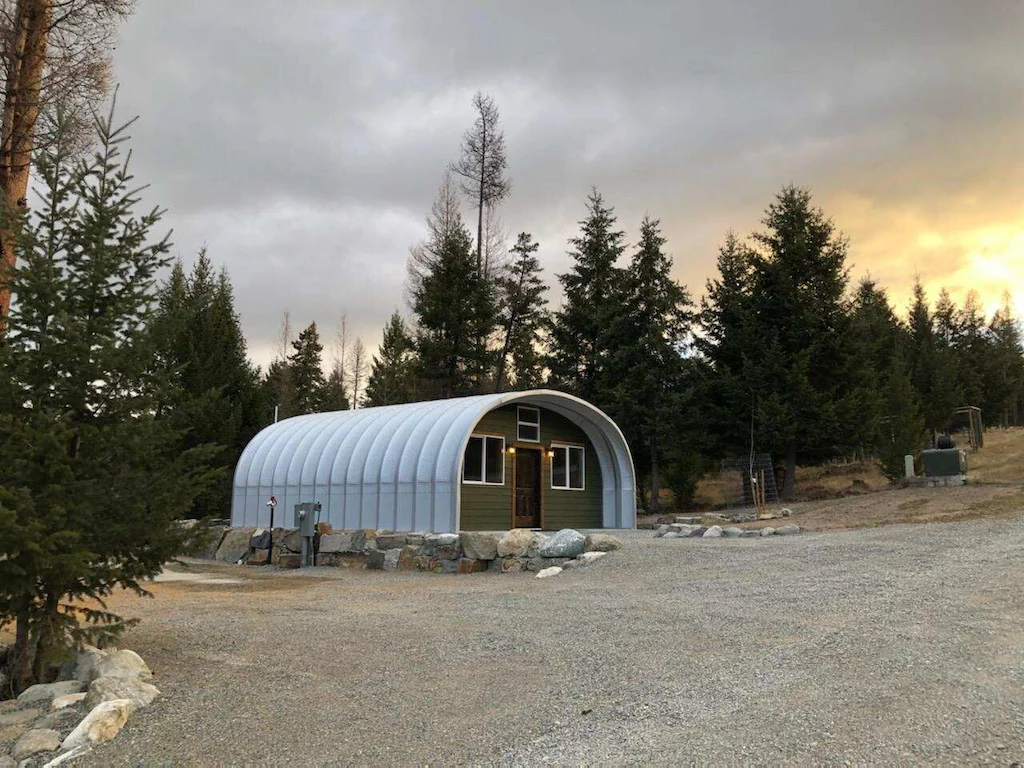
Woman Builds Luxurious Quonset Cabin in Honor of her Father
Lakeside Hunting Cabin in Alaska
Charming Quonset Hut Home in North Carolina
Why A Dream Home In Hawaii Is A Prefab Quonset Hut Home
How One Alaskan Built A Remote Quonset Cabin Kit