DIY Coastal Living: Why This Louisiana Family Built A Quonset Hut 20 Feet in the Air
When it comes to building on the Louisiana Gulf Coast, the environment is the ultimate architect. Between the salt air, humidity, and the ever-present threat of hurricanes, traditional wood-frame houses often struggle to keep up.
Royce Rispone and his family decided on a different path for their Grand Isle fishing retreat: A prefabricated steel Quonset hut. Not only did it survive the elements, but they also managed to assemble the entire structure in just two weekends.
The Challenge: Building for the Gulf Coast
Grand Isle is a beautiful but brutal environment for construction. Properties here face a “triple threat” of environmental factors:
- Corrosive Salt Air: Constant salt exposure eats through traditional materials and finishes.
- Oppressive Humidity: High moisture levels lead to wood rot, mold, and structural decay.
- Extreme Weather: Hurricane-force winds and storm surges require structures that are both aerodynamic and elevated.
By choosing steel, the Rispones eliminated the risk of wood rot while gaining a structure designed to maintain integrity during high-wind events.
Construction Efficiency: From Kit to Camp in 14 Days
One of the biggest hurdles in coastal construction is the timeline. Conventional builds can take months, leaving subfloors and framing exposed to the rain and salt.
Royce opted for a DIY steel kit, which offered two major advantages:
- Cost Savings: By using family labor, they completely bypassed expensive contractor fees.
- Weather Protection: The accelerated build meant the structure was “dried in” before the elements could cause damage.
“We are all in this together,” Royce noted. “Even though we aren’t fishing yet, we are spending time with family—which is the whole reason we started this project.”
The 20-Foot Advantage: Engineering for Floods
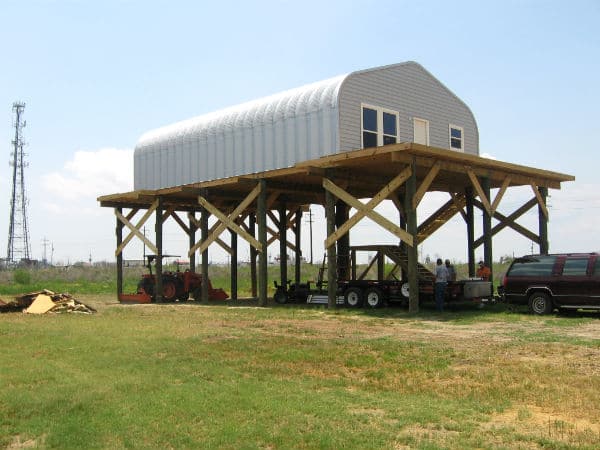
The most striking feature of the Rispone camp isn’t just the steel—it’s the elevation. The hut sits on a wooden platform 20 feet above the ground on stilts.
This hybrid design (steel top, wooden base) serves several vital roles:
- Surge Protection: It clears the 10-15 foot storm surges common during major hurricanes.
- FEMA Compliance: The height meets strict local building codes for flood zones.
- Bonus Utility: The space underneath provides shaded parking for boats and vehicles.
- Passive Cooling: Elevating the home allows for better airflow beneath the floor, reducing moisture buildup and cooling costs.
Why Steel Wins for Coastal Retreats
Beyond the quick assembly, steel Quonset huts offer long-term peace of mind that wood simply can’t match.
| Feature | Steel Quonset Hut | Traditional Wood Frame |
| Maintenance | Minimal (No painting/sealing) | High (Frequent staining/repairs) |
| Pests | Termite Proof | Vulnerable to infestation |
| Wind Resistance | Aerodynamic “Arch” design | Flat walls catch wind |
| Longevity | Decades with little decay | Subject to rot and warping |
Make it Your Own
These aren’t just “metal sheds.” Modern Quonset kits are highly customizable. The Rispones and other owners can opt for:
- Custom Endwalls: Use cedar, stone, or glass for a high-end look.
- Natural Light: Add skylight panels to brighten the interior.
- Full Insulation: Spray foam insulation makes these units incredibly energy efficient.
The Rispone fishing camp proves that you don’t need a massive budget or a year-long timeline to build a durable coastal getaway. If you’re looking for a DIY-friendly, hurricane-resistant solution, a steel Quonset hut might be the smartest investment you can make on the coast.
Categories
Related articles
Quonset Hut Airbnbs Make Perfect Addition to Arizona Vineyard
Man and Wife Build Solar-Powered Off-Grid Quonset Home
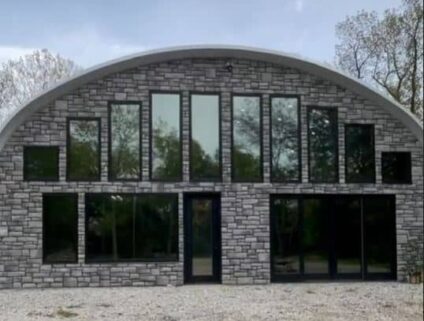
Couple’s Quonset “Dream Home” Goes Viral on TikTok
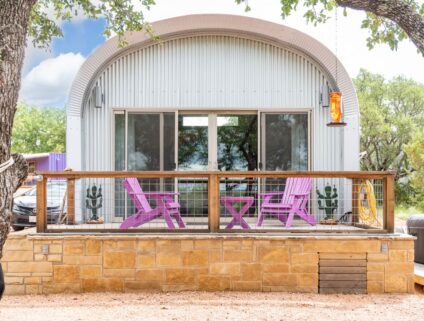
Ever Wanted to Stay in a Quonset? Now You Can!
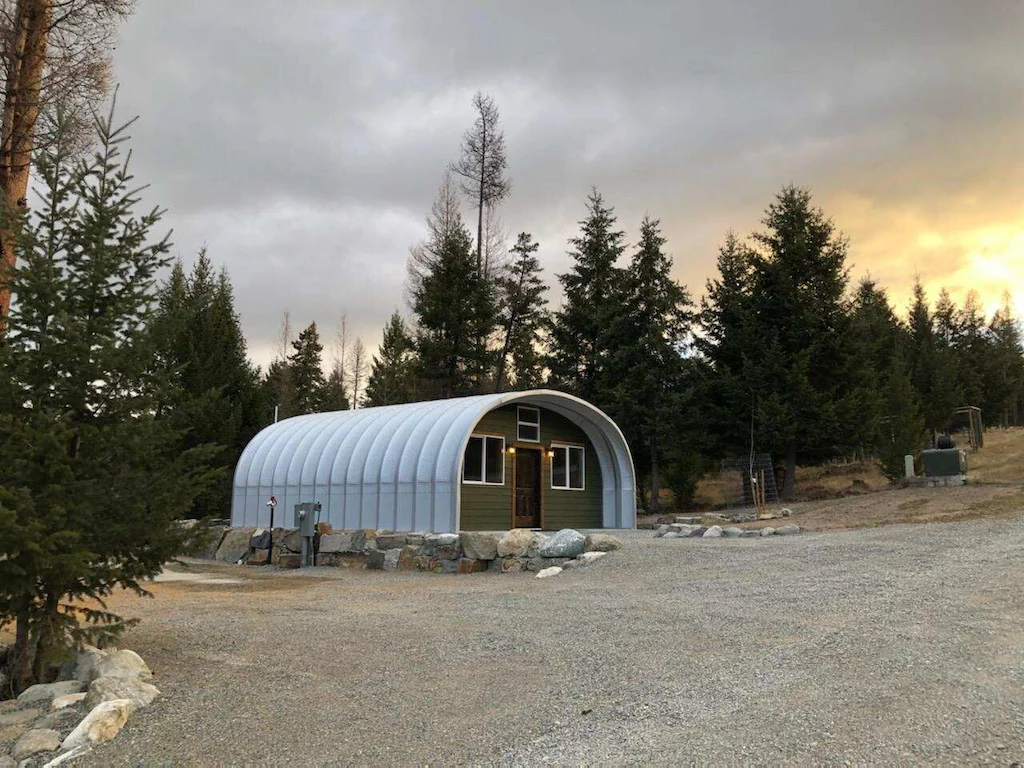
Woman Builds Luxurious Quonset Cabin in Honor of her Father
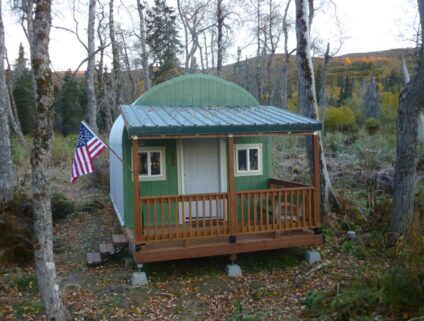
Lakeside Hunting Cabin in Alaska
Charming Quonset Hut Home in North Carolina
Why A Dream Home In Hawaii Is A Prefab Quonset Hut Home
How One Alaskan Built A Remote Quonset Cabin Kit