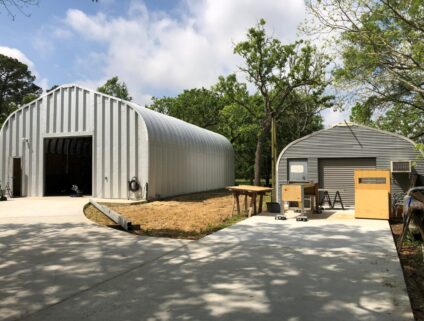
Fun Facts About The Environmental Benefits of Recycled Steel in Construction
When planning a construction project that balances affordability, aesthetics, and environmental responsibility, steel buildings made from recycled materials offer a compelling solution. Understanding the environmental impact of recycled steel reveals why it has become a cornerstone of sustainable construction practices.
Steel Is The World’s Most Recycled Material
Steel holds the distinction of being the most recycled material globally, with approximately 80 million tons recycled each year in North America alone. This impressive figure represents more recycled material than paper, aluminum, plastic, and glass combined.
What makes steel particularly valuable for recycling is its unique properties. Steel can be recycled an unlimited number of times without any loss of its properties, unlike many other materials that degrade with each recycling cycle. This characteristic, combined with steel’s magnetic properties, makes it exceptionally easy to separate from other materials during the recycling process.
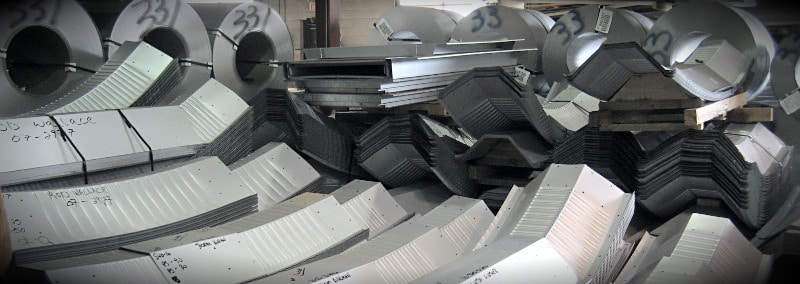
74% Energy Saving Compared To Initial Production
The environmental benefits of steel recycling extend far beyond simply reducing waste. Secondary steel production uses approximately 74% less energy than producing steel from iron ore. These energy savings translate into substantial environmental impact. Steel recycling in the United States saves energy equivalent to powering about one-fifth of American households for an entire year.
Beyond energy conservation, recycling steel also preserves valuable natural resources. Every ton of steel recycled conserves 2,500 pounds of iron ore, 1,400 pounds of coal, and 120 pounds of limestone. This dramatic reduction in mining and raw material extraction helps protect ecosystems and reduces the environmental footprint associated with resource extraction.
Reduces Air Pollution By 86% & Water Pollution By 76%
The climate benefits of steel recycling are equally impressive. Around 680 million tonnes of steel were recycled in 2021, avoiding over one billion tonnes of CO2 emissions that would have resulted from producing virgin steel. At a more granular level, using steel scrap instead of virgin ore reduces CO2 emissions by 58%, while recycling steel reduces air pollution by 86%, water use by 40%, and water pollution by 76%.
97% Steel By-Products Reused, Lowering Construction Cost
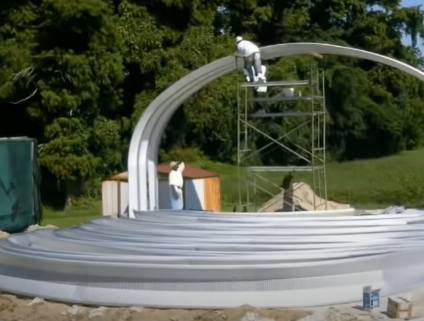
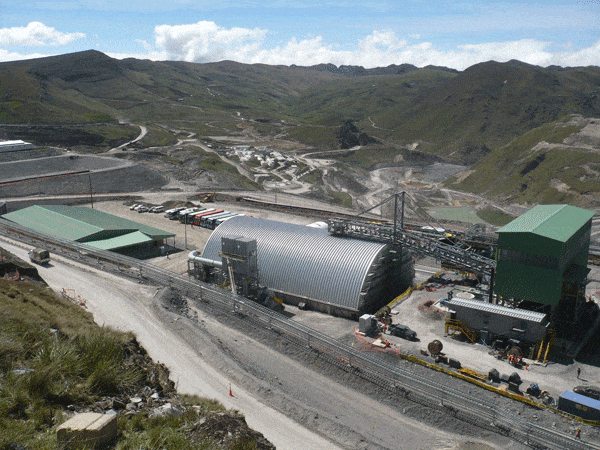
The construction industry has embraced recycled steel for good reason. Modern steel buildings utilize corrugated steel panels manufactured from recycled content, offering durability and longevity while minimizing environmental impact. Steel building components generate very little on-site waste since they are manufactured to tight tolerances before delivery, further reducing the environmental footprint of construction projects and significantly reducing construction costs.
The steel industry continues to improve its environmental performance. North American steel manufacturers have achieved a 32% reduction in energy intensity and a 37% reduction in greenhouse gas intensity since 1990. Additionally, 97% of steel by-products are now reused, demonstrating the industry’s commitment to circular economy principles.
A Sustainable Investment
Choosing structures built with recycled steel represents more than an environmentally conscious decision, it’s a practical investment in sustainable infrastructure. The combination of cost-effectiveness, durability, and environmental benefits makes recycled steel an ideal choice for modern construction. By selecting buildings made from recycled steel, property owners contribute to reducing energy consumption, conserving natural resources, and minimizing greenhouse gas emissions, all while creating structures designed to last for decades.
As global awareness of environmental issues continues to grow, the role of recycled steel in sustainable construction becomes increasingly important. The impressive recycling rates, energy savings, and emission reductions associated with steel recycling demonstrate that environmental responsibility and practical construction solutions can go hand in hand.
Categories
Tags
Related articles

The History of Arches in Architecture: A Journey Through Time
Customer Chooses Quonset Hut After Wildfire Destroys Home
6 Reasons to Choose SteelMaster Batten Insulation
Why Heavy Snow Loads are No Match for Contemporary Quonset Shed
10 Things You Might Not Know About Steel
The Differences Between Quonset Huts and Nissen Huts
How to: Metal Storage Building Kit Construction
5 Step Metal Barn Construction In 3 Days For Farm Equipment
Eight SteelMaster Projects Around the World