Country Music’s Biggest Hits Recorded in Legendary Quonset Hut Studio
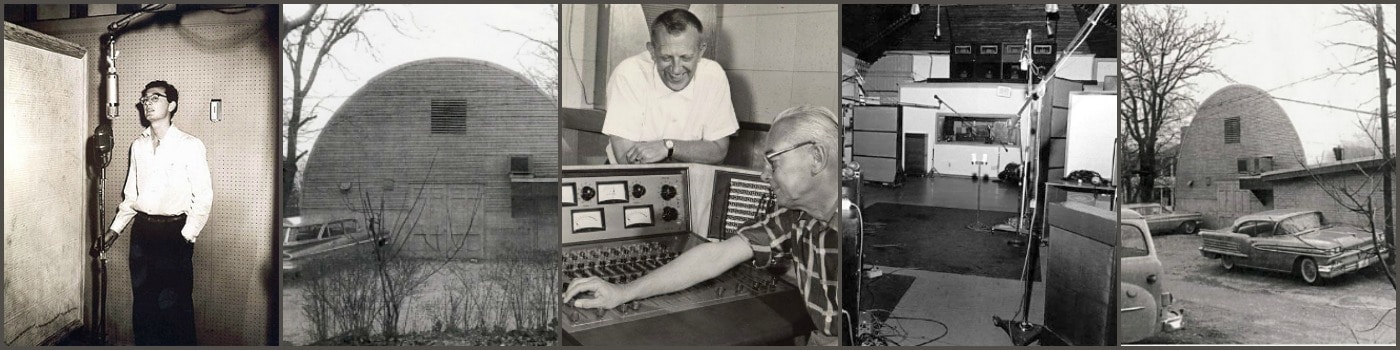
The velvet voice of Patsy Cline, Bob Dylan’s revolutionary lyrics, and The Beach Boys’ instant classics became part of American music history under the steel arches of Quonset Hut Studio B, one of the first recording studios on Nashville’s famous Music Row, and another example of a unique application of a Quonset.
The Bradley Brothers’ Legacy
Country music was transformed thanks to two brothers: Owen and Harold Bradley. Many hail Owen as the pioneer behind the “Nashville Sound.”
Famous Productions by Owen Bradley
These musical masterpieces came to life in the Bradley brothers’ famous Quonset hut studio.
Timeline: The Rise of Studio B
1947: Decca Records Hires Owen
Decca Records hired Owen in 1947 to coordinate its Nashville sessions.
1950s: The Brothers Acquire a Property
The brothers bought an old house at what was known as 16th Avenue and Hawkins Street. They obtained a Quonset hut building from the Army surplus and placed it behind the home.
The First Recordings
The brothers tore out the middle of the two-story house and began recording in the basement. After outgrowing the space, the recording moved into the Quonset hut, which became known as Studio B.
From Film Stage to Recording Studio
The Quonset hut started as a film sound stage. Albert Gannaway, a pioneer in television production using 35mm color film, brought in a crew from LA. He shot episodes for the show “Stars of the Grand Ole Opry.”
Solving the Pinging Sound Problem
A pinging sound plagued the interior of the building. The Bradley brothers worked around it for a while. Then Gannaway suggested swapping the tile for wooden floors. The change transformed Studio B.
“The wood changed that to one of the best recording studios I’ve ever worked in,” Harold Bradley said during a television interview.
Changing Hands
1962: Columbia Records Buys the Studio
In 1962, the brothers sold the Quonset hut studio to Columbia Records. The Bradley brothers continued to use the studio for a few more years. The final single recorded in the space was John Anderson’s “Swingin’.”
1982: The Studio Closes
Lou Bradley (no relation to the Bradley brothers) worked as an engineer for Columbia for 13 years. During an interview, he stated he was one of the people in the studio the day before the Quonset hut closed in 1982.
He reflected on the studio’s humble beginnings:
“Music Row started on integrity,” Lou said.
After the Closure
Columbia turned the facility into office space. Development surrounded the property over the years, and today, a portion of the original Quonset hut remains visible.
A New Chapter: Mike Curb and Belmont University
Music mogul Mike Curb stepped in years later and purchased the studio. It reopened in 2009 as a teaching facility for Belmont University students. Though the building’s appearance has changed, the rich musical history created under those steel arches will never fade.
(All photos courtesy Owen Bradley’s Quonset Hut)
Categories
Tags
Related articles
Exploring A Stunning Prefab Pool House in Joshua Tree
The Stories Behind the 2025 SteelMaster Buildings Calendar
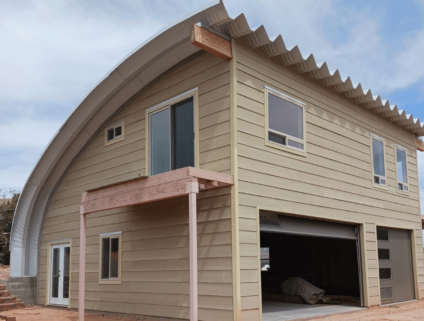
Customer’s Dream Home Design Comes to Life In Arizona
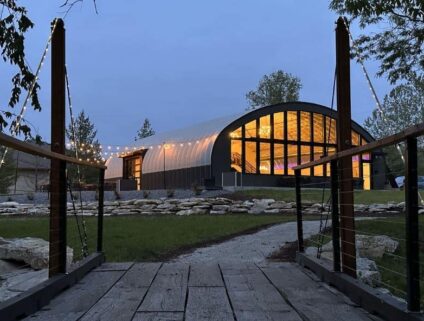
Quonset Hut Makes for an Unforgettable Wedding and Event Venue
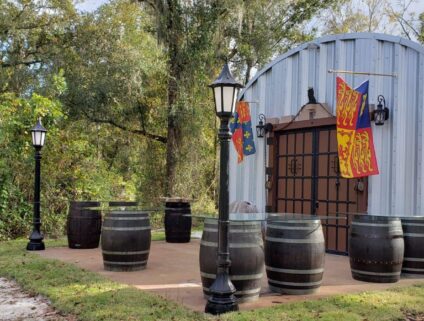
3 Ways to Transform Your Quonset Using Medieval Interior Design

Man Uses Quonset Roof to Restore Abandoned Building
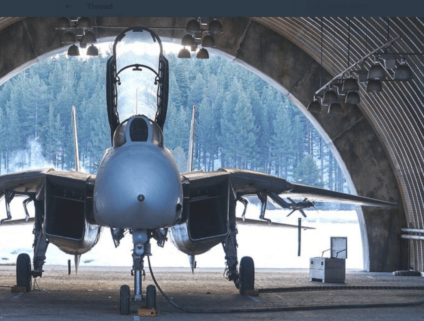
SteelMaster on the Big Screen in Top Gun: Maverick

Father & Sons Build Quonset Hut with Solar Panels

Building a Roll Off Roof Observatory Using a Quonset Hut