

How to Choose a Metal Building Company
Choosing a metal building company is really two decisions in one. You’re choosing a business to work with for the next several months and, warranty-wise, for the next several decades. You’re also choosing the actual physical materials that will sit on your property. Get both right and feel confident about the building. Get either one wrong and even a good design won’t save the project.
Here’s a practical framework for vetting metal building companies, split into the two areas to determine whether your project goes well: the business behind the building, and the materials that make it up. Take your time, ask the hard questions, and compare on substance rather than headline price.
Business Factors
The company you buy from is just as important as the building you buy. A great structure from a flaky vendor will still leave you stranded if anything goes wrong.
Track Record and Time in Business
How long has the company been selling metal buildings?
Companies that have weathered a couple of economic cycles tend to have refined their processes, their supply chains, and their warranty fulfillment.
New entrants can still be good, but you’re taking on more risk. Look for at least 10 – 20 years in business as a baseline, and ideally 20-plus.
Verifiable Customer Reviews
Don’t just read the testimonials on the company’s own website. Check:
- Google reviews for the business itself
- BBB rating and complaints, and importantly, how the company responded to them
- Independent forums where Quonset and metal building owners gather
- Social media for unfiltered customer experiences
Look for patterns. A handful of bad reviews on any large company is normal. A repeating pattern of the same complaint (late shipments, missing parts, poor service after the sale) is a red flag.












































































































































































































































Warranty Terms
Read the warranty carefully before you sign anything. The questions that matter:
- How long is the coating or paint warranty? (This is often separate and shorter)
- Is the warranty transferable if you sell the property?
- What voids it? (Some warranties exclude proximity to saltwater, improper anchoring, etc.)
- Who actually pays out if there’s a claim, the manufacturer or a third-party insurer?
A long warranty is meaningless if the company offering it won’t be around or won’t honor it.
Engineering and Permitting Support
Most counties require stamped engineering drawings for permitting.
Does the company provide them? Are they included in the price or an upcharge? Will the engineer’s stamp be valid in your state?
A good company makes this easy. A bad one leaves you scrambling to find a local engineer to sign off on someone else’s drawings.
Sales Process
Pay attention to how you’re treated during the quote phase. High-pressure tactics are a sign of a company chasing the close rather than the customer. The companies worth working with will:
- Answer technical questions in detail without dodging
- Provide written quotes you can take home and think about
- Walk you through the building’s specs rather than glossing over them
- Be honest about lead times instead of telling you what you want to hear
Manufacturer vs. Reseller
Some companies manufacture their own steel buildings. Others are resellers who source from a manufacturer and mark up the price. Manufacturers tend to have tighter quality control, better warranty fulfillment, and the ability to handle custom sizes. Resellers can still be fine, but you’re adding a layer between you and the people who actually built your building.
Material Factors
Two buildings can look identical on a spec sheet and perform very differently in the real world. The materials are where the differences hide.
Steel Gauge
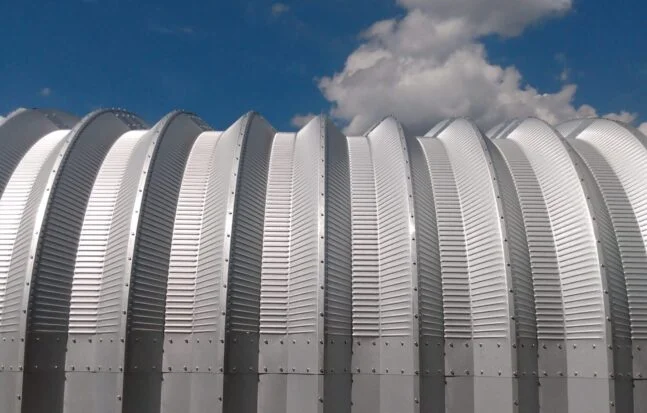
Gauge is the thickness of the steel. Lower numbers mean thicker, stronger steel. For Quonset huts and most metal buildings, you’ll see 14 to 22 gauge as common options. Thicker steel costs more but lasts longer, handles snow and wind loads better, and resists denting during shipping and installation. Don’t go thinner than what your local snow and wind loads require, and consider going a step heavier if you’re in a harsh climate.
Steel Grade
Not all steel is the same. Look for buildings made from commercial-grade or structural-grade steel that meets recognized standards (ASTM A653 is the common spec for galvanized steel sheet).
Avoid lower grades like 50-grade, and look for steel that is at least 80-grade.
Reputable companies will tell you exactly what grade they use. Sketchy ones will dodge the question or use vague language like “high-quality steel.”
Coating Quality
The coating is what protects the steel from rust and corrosion over decades. Common options:
- Galvanized: zinc coating, decent protection, the budget standard
- Galvalume: zinc-aluminum alloy, significantly better corrosion resistance
- Galvalume Plus: Galvalume with a polymer topcoat, the premium option with the best thermal performance and longest service life
The coating warranty often limits the building’s real lifespan. A 50-year structural warranty doesn’t mean much if the coating fails in 15 years and the steel underneath starts rusting.
Hardware and Fasteners
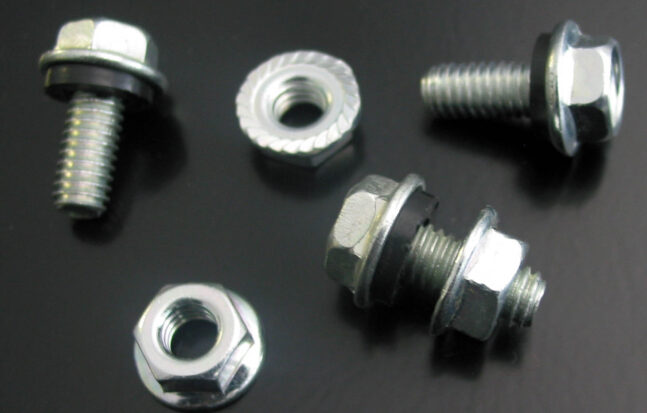
Look at what holds the building together. Quality companies use:
- Grade 5 or Grade 8 bolts for primary connections
- Pre-galvanized or stainless hardware for corrosion resistance
- Self-sealing fasteners with neoprene washers where they pass through panels
- Zinc-aluminum-coated bolts offer superior corrosion resistance, vibration resistance, and prevent hydrogen embrittlement
- Serrated hex head locking nuts have angled teeth that lock the nut into place
- Salt spray-tested hardware ensures quality control and longevity
- Pre-recessed polyethylene washers distribute clamping pressure evenly and are corrosion-resistant
Cheap hardware is a place where companies cut costs invisibly. A premium building with budget bolts will still give you problems.
What’s Actually Included
Compare quotes carefully. Two companies might quote “the same building” at very different prices, but one includes end walls, doors, windows, anchoring hardware, trim, flashing, stamped engineering, and delivery, while the other lists those as add-ons. The cheaper quote isn’t actually cheaper once you build it out to match.
How to Compare Quotes Without Getting Confused
When you’ve got two or three companies in the running, force them into an apples-to-apples comparison:
- Specify the same building size, gauge, coating, and accessories to each company
- Ask for written quotes that itemize everything included
- Request the engineering and warranty documents in writing
- Add up the all-in price including delivery, anchoring, and any permit-related costs
The lowest number rarely wins this exercise. The company that comes back with clear documentation, complete inclusions, and straightforward answers to your questions is usually the right call, even if their price is higher.