

Should You Expand Your Existing Building or Build New? A Decision Guide
Whether you’re running out of storage space, growing your business, or adapting to a new use, the question of whether to expand your Quonset hut or invest in a new one comes up for nearly every property owner sooner or later. The right answer depends on your specific situation, your budget, your timeline, your land’s layout, the condition of your current structure, and what you actually need the space to do.
This guide walks you through the key questions to ask yourself, with practical considerations for each, so you can arrive at the decision that fits your needs.
Two Common Outcomes
To illustrate how this decision plays out, consider two situations property owners often face.
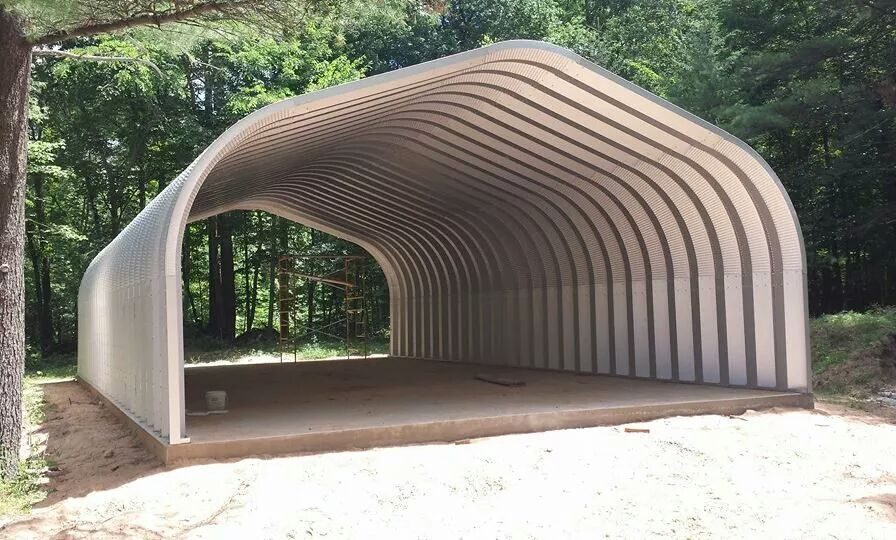
Add Arches
In the first, an owner purchased a 30′ x 80′ Quonset to store hay-cutting equipment, a cattle trailer, and feed. As the operation grew, they needed more length, but the existing structure was in good condition, properly sited, and compatible with new components. Adding 30 feet to the existing arches saved both money and time compared to a brand-new structure.
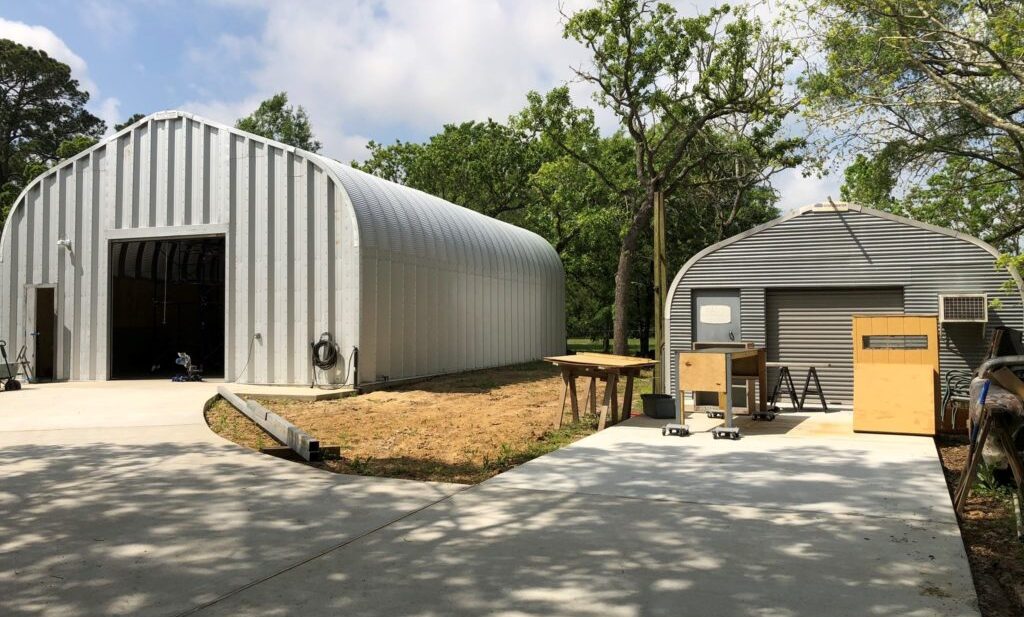
Buy New
In the second, an owner installed a 20′ x 30′ Quonset first, then later needed a separate auto shop. Because the new use required different dimensions, insulation, a bathroom, and a different position on the property, a second 30′ x 50′ building made far more sense than trying to extend the original.
Most decisions come down to how you’d answer the five questions below.
1. Is My Current Building Compatible With an Expansion?
Compatibility is the first thing to check. Older buildings may not line up cleanly with current components, manufacturing tolerances, or building codes. Before committing to an expansion:
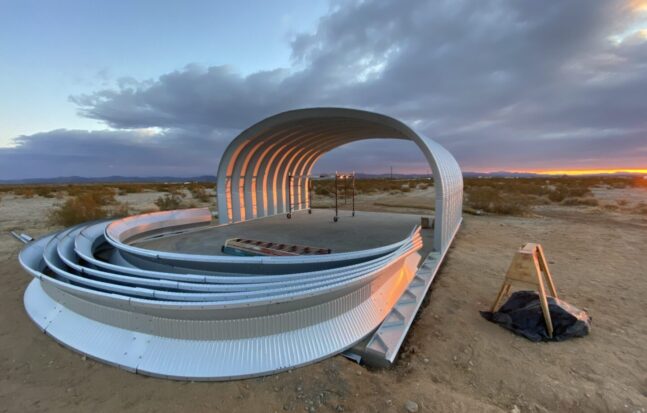
- Check with the manufacturer: Confirm whether new arches, panels, or framing components match your existing structure’s specifications.
- Review original documentation: Plans and specs from the original build will tell you the dimensions, gauge, and load ratings you’re working with.
- Inspect the current condition: Corrosion, settling foundations, or structural wear may make an expansion unwise even if components are technically compatible.
- Consider load and code requirements: Building codes evolve. If your area now requires higher snow or wind load capacity than when you originally built, an expansion may need to meet stricter standards than the existing structure.
If you’re considering a secondhand building as a separate addition to your property, be cautious—secondhand buildings often don’t meet current code or load requirements, and upgrading them can cost more than starting fresh.
SteelMaster Quonset buildings, as one example, can be expanded in two-foot increments, which makes adding length straightforward. But if you need to change both width and height, a new building is usually the right call.
2. Do I Have the Space?
Even when expansion is technically feasible, your land has to accommodate it. Before committing:
- Verify property lines: Pull your most recent property survey or site map to confirm boundaries. Don’t rely on memory or fence lines.
- Measure the available footprint: Compare the open space adjacent to your existing building with the dimensions of the proposed expansion.
- Check local setback requirements: Most jurisdictions require minimum distances between buildings and property lines, roads, or neighboring structures, and these vary widely by zoning district.
- Plan for access and future needs: Leave room for vehicle access, drainage, future utilities, and any additional projects you might want to do later.
- Evaluate the site itself: Slope, drainage, soil conditions, and underground utilities can all affect whether the adjacent ground can support an expansion.
If your current building is positioned near a property line, tucked into a tight corner of your lot, or oriented in a way that limits one direction of growth, a separate new building elsewhere on the property may be the only workable option.
3. How Quickly Do I Need the Space?

Time pressure often tilts the decision toward expansion. Adding to an existing structure typically means:
- No new land acquisition.
- Less site preparation, since the adjacent area is often already cleared and graded.
- Reduced foundation work, though an addition still needs its own footing or slab.
- Often fewer permitting steps, though this varies by jurisdiction.
- Faster construction overall, since you’re working with a known, proven design.
A new build, by contrast, typically requires the full timeline: design planning, permits, site clearing, foundation pouring, and complete assembly. If the new building includes finishes like insulation, electrical, plumbing, or interior walls, you should expect additional weeks or months on top of the shell.
If your timeline is measured in weeks rather than months, expansion is almost always the faster path.
4. Which Option Fits My Budget?
Cost is usually the deciding factor, and the math typically favors expansion, at least for upfront expenses. Expanding generally means:
- Lower material costs, since you’re buying additions rather than a complete kit.
- Reduced site preparation costs.
- A smaller foundation footprint to pour.
- Often lower permit and inspection fees.
- Less labor, since the project is shorter.
A new building includes all of those costs from scratch, plus potentially land acquisition, utility runs (electrical, water, sewer), driveway or access road construction, and additional inspections or engineering reviews.
That said, the budget alone shouldn’t drive the decision. If the new building serves a different purpose, such as converting from cold storage to a heated workshop, retail space, or living quarters, the additional features it requires may justify the higher cost. Trying to retrofit insulation, climate control, plumbing, and finished interiors into an expansion of a basic storage building can sometimes cost more than building from the start.
5. What Does the Permitting Process Look Like?
Permitting can be the most unpredictable part of any building project. Both expansions and new construction typically require permits, but the scope and complexity differ.

Before you commit:
- Contact your local building or planning department: Requirements vary significantly by county, city, and zoning district.
- Ask about changes since your original build: Codes, setbacks, and zoning rules may have shifted, especially if your existing structure is several years old.
- Confirm whether your intended use requires special approval: Agricultural, commercial, and residential uses often have different requirements, and changing the use of a building. For example, from storage to a workshop with employees may trigger additional review.
- Budget time for the process: Even straightforward permits can take weeks. Projects requiring variances or special use permits can take months.
- Check on impact fees and inspections: Some jurisdictions charge fees based on square footage added or new utility connections.
Doing this research up front, before plans are finalized, can save you from costly redesigns later.
A Quick Decision Framework
If you’re still on the fence after working through the questions above, this framework can help.
Lean toward expanding if your current building is in good condition and compatible with new components, you have adequate space adjacent to it, your timeline is tight, you’re keeping the same general use and purpose, and your budget is limited.
Lean toward a new building if the new use requires different dimensions, finishes, or features; your current building is older and may not meet current code; your property layout doesn’t allow for adjacent expansion; you want to physically separate uses (storage versus workspace, for instance); or you anticipate needing more long-term flexibility than an expansion can provide.
There’s no universal right answer here. The best path depends on your property, your goals, and your circumstances. Take time to work through these five questions carefully, talk to your manufacturer or contractor about what’s possible with your existing structure, and check with your local permitting office before committing. A clear-eyed assessment up front will save you time, money, and headaches, whether you ultimately choose to expand or build new.