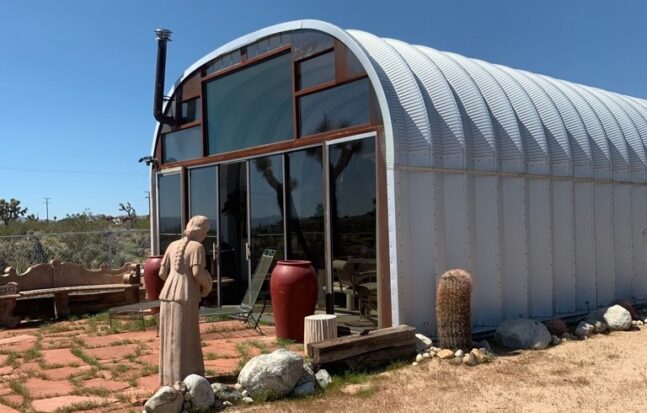
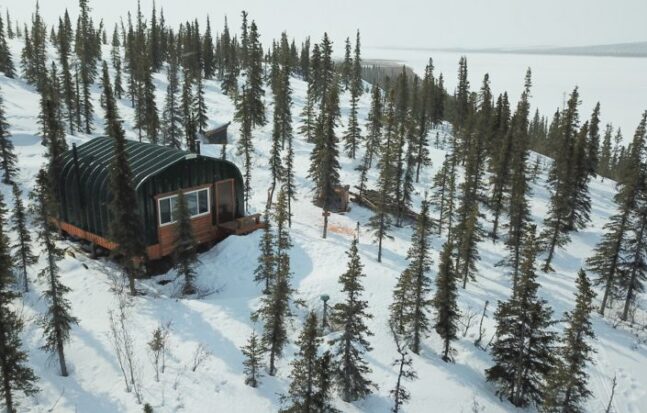
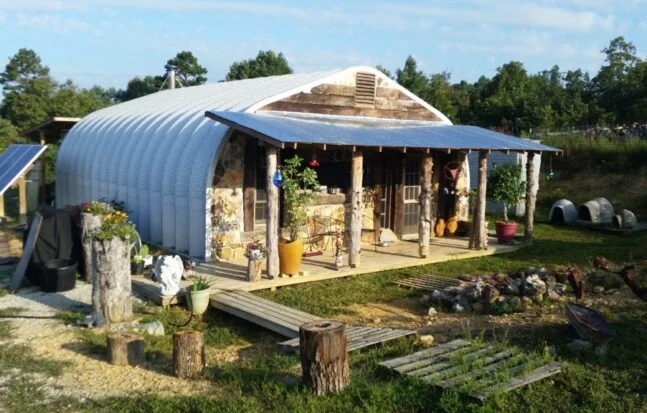
Cabins

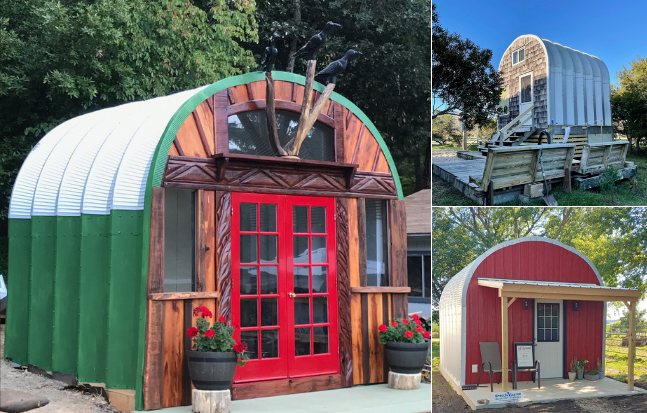
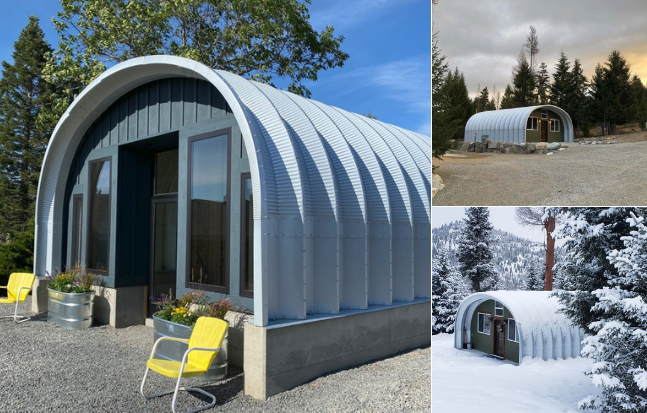
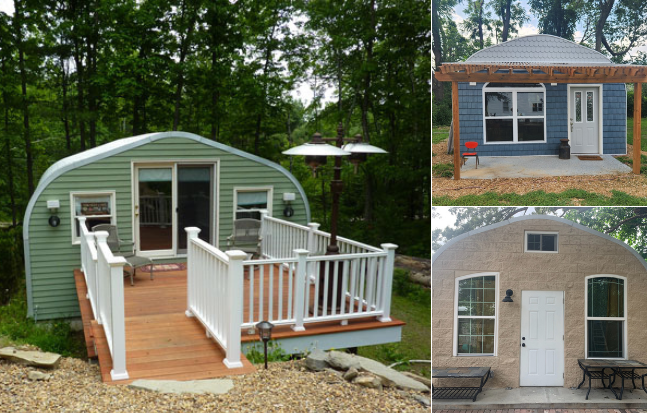
S12-11.1-Tiny Home-Collage
S20-11.1-Tiny Home-Collage
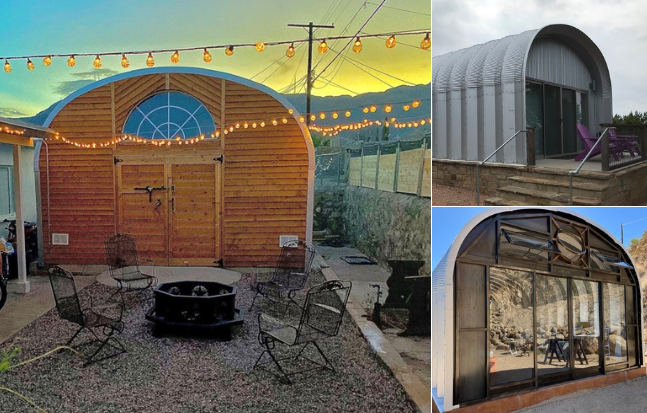
S12-16.1-Tiny Home-Collage
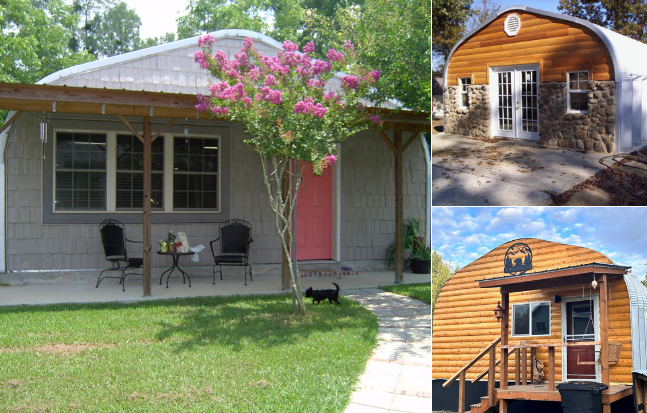
A20-13.1-Cabin-Collage
A17-12.1-Cabin-Collage
S12-11.1-Tiny Home-Collage
S20-11.1-Tiny Home-Collage
S12-16.1-Tiny Home-Collage
A20-13.1-Cabin-Collage
A17-12.1-Cabin-Collage

Cabins

Buy Now Price $
Sale Price $

This building is priced open-ended (no front wall, no back wall, no doors, no accessories).


Model

  • model_two
  • model_three

Width and Height

Length

Clear
Order Now

Looking for a different size? Click the button to get a custom quote or call for more information.

What’s Included

  • FREE State-Stamped Engineered Blueprints
  • FREE Building Design Consultation
  • EASY DIY Construction
  • 50-year warranty*
  • 100% of arch panels pre-cut to fit with prepunched holes and only two sizes of bolts.
  • Comes with: Steel arches, hardware, blueprints & instructions
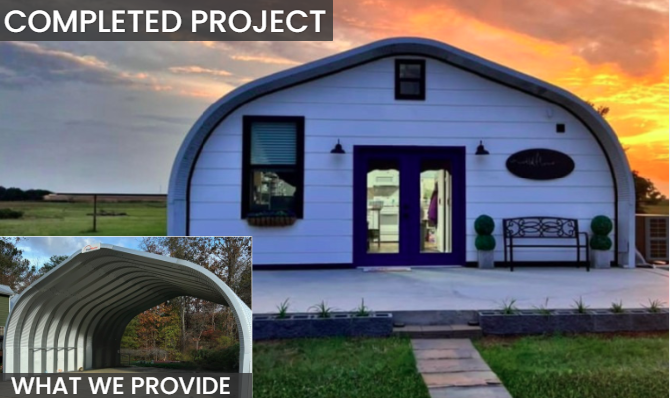
A DIY cabin and tiny home solution designed for small-scale living with big strength.

Built from commercial-grade steel and engineered to meet local building load requirements, our Quonset hut cabins are made to perform in harsh weather conditions while offering long-term durability in a small yet efficient footprint.


Sales and use tax are not included in price. Buildings are designed using standard keyway foundation and SteelMaster does not provide installation services. All projects are sold as DIY.

*Exclusions apply; see warranty for details.


  • Steel gauge minimum: 22-gauge*
  • Snow load capacities:
      • A17-12 (45psf ground snow load)
      • A20-13 (30psf ground snow load)
      • S12-11 (65psf ground snow load)
      • S16-12 (40psf ground snow load)
      • S20-11 (35psf ground snow load)
  • Steel grade: Premium 80 grade
  • Corrugation depth: Standard 7.5in
  • Corrosion protection: Galvalume Plus
  • Standard hardware: Grade 2 hex bolts NZF3000 commercial grade coating & serrated hex head locking nuts

*Arches are priced in standard 22-gauge and may not meet your snow and/or wind load requirements. We can design for higher snow loads, which may require stronger/thicker steel and would increase the price accordingly. We are certified in all 50-states and provide state-stamped engineered blueprints to reflect the exact wind, snow, and seismic ratings required by the building department for Category 2 (home use).


  • Minimal upkeep required compared to traditional building methods
  • 80,000 PSI high-strength steel, up to 4× stronger than competing options
  • Rated for snow & wind, including 300 PSF snow loads and 190 MPH winds
  • Backed by a 50-year warranty from the date of purchase
  • Engineered state-stamped blueprints provided for permitting in most jurisdictions
  • Prefab design with pre-punched panels and minimal cutting or drilling
  • Clear-span interior with 100% usable floor space


Your cabin or tiny home can be designed to fit your needs. SteelMaster offers add-ons, or you can locally source these building options.

  • Custom endwalls
  • Heavy-duty roof skylights
  • Turbine & louver vents
  • Window frames


Choose between two models, depending on the look or engineering standards you want. When you work with SteelMaster, you get access to experienced building engineers who are certified in all 50 states to help you select the right Quonset model for you.

  • A Model – Straight side walls with pitched roof
  • S Model – Straight side walls with an arched roof


Quonset Cabins & Tiny Homes Built for Simple, Durable Living

Built for small-scale living with lasting strength, Quonset hut cabins and tiny homes provide a DIY-friendly solution made from commercial-grade steel and engineered for performance in diverse conditions.


Can Quonset huts be used for cabins or tiny homes?

Yes. Quonset huts are commonly used for cabins and tiny homes because their clear-span interior makes them flexible for open layouts, sleeping areas, kitchens, and storage. They work especially well for minimalist or off-grid builds.


How big is a Quonset hut cabin?

Sizes vary widely, but tiny homes and cabins typically start around 12 to 20 feet wide and can extend 14 to 22 feet long. The “standard sizes” used for tiny homes and cabins don’t typically require side windows for structural or comfort reasons, and most of the light comes from endwall windows or skylights. 

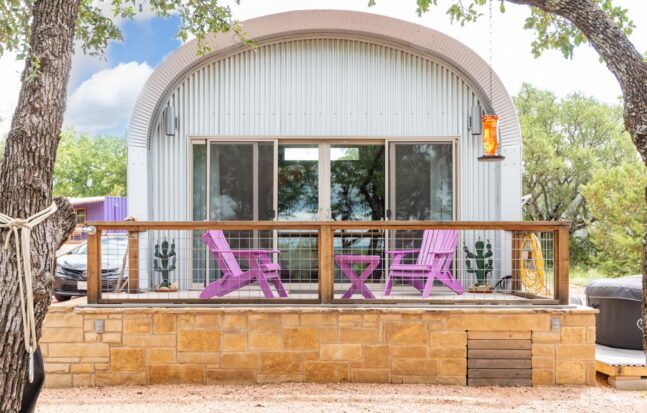
*Pictured S-Model 16’w X 12’H X 26’L


How much does a Quonset tiny home or cabin cost? Is it cheaper than a traditional cabin?

A basic steel cabin shell with no endwalls starts at $4,424. While the Quonset arches offer an affordable starting point, a fully finished tiny home will have a higher total cost depending on insulation, utilities, and interior finishes. Even so, in most cases, it remains more cost-effective than a traditional stick-built cabin of similar square footage in terms of structural build costs.

Can I build it myself?

Yes, our Quonset hut kits are designed for DIY assembly with a small crew. Each prefabricated arch panel comes pre-drilled and pre-punched for straightforward construction using standard tools you can find at your local hardware store. Foundations and utility work are typically handled by experienced professionals unless you have prior experience.


Are Quonset huts comfortable to live in year-round? How do you insulate a Quonset hut cabin?

Yes, Quonset cabins can be comfortable for year-round living when properly insulated and ventilated. With the right insulation and interior finish, they maintain a consistent and livable temperature in any season.

Common insulation methods include batten or blanket insulation and spray foam insulation installed inside the shell. A vapor barrier is important to prevent condensation.


Can you add lofts or second levels?

Lofts can be added, but in standard models with lower peak heights, they are typically designed as low-clearance spaces best suited for sleeping or storage rather than a full second level. For more usable vertical space, custom models with increased height are available. Speak with a building specialist to explore options based on your layout and needs. 


Is it hard to design interiors in a curved structure?

Like any home, interior design takes planning, but it is very workable. With tiny homes this size, there typically isn’t a formal floor plan, and instead, there is an open, flexible layout. 

The most common models used for tiny homes and cabins, the A and S models, feature straight sidewalls with a curved roof. This makes the space feel more like a traditional structure, allowing furniture, cabinets, and storage to be placed easily along the walls. 

Depending on the size, interior framing can also be added if desired to create standard walls and further simplify finishing the space.


Can you add windows and doors easily?

In smaller living spaces, windows and doors are typically placed on the endwalls. Endwalls can be fully customized using local materials to match your preference, allowing for a wide range of layouts, including multiple doors, large openings, or window placements.

Skylights are another popular option in cabins and tiny homes, and can be added directly to the roof using panels designed to match the shape of your building. These replace standard roof panels, making installation easy while bringing natural light into the space.


Do they rust or require maintenance?

Our tiny homes are highly resistant to rust thanks to Galvalume Plus coating, an organic corrosion-resistant finish that helps prevent corrosion over time. The structure also comes with a 50-year rust perforation warranty, providing long-term protection and peace of mind.

Occasional inspections of the building after storms keep maintenance relatively low compared to many traditional building types.

Do they require permits?

Most areas require building permits, zoning approval, and inspection, just like any traditional home build. Requirements vary by location. SteelMaster provides state-stamped engineered blueprints with every building to help make the permitting process smoother.


Are Quonset hut cabins durable in storms and snow?

Quonset hut homes are known for their strength and resilience against severe weatherand natural events. Built from commercial-grade, heavy-duty steel, they are engineered to meet load requirements based on your specific location.

This includes detailed considerations for wind, snow, seismic activity, and other environmental or collateral loads, ensuring your living space is designed to perform reliably in your area’s conditions.

All of our buildings also include engineered, stamped plans from a licensed professional in your state, which can be used for permitting. This process helps ensure code compliance while supporting long-term durability and performance in challenging environments.


Can you run electricity and plumbing inside?

Utilities like electricity and plumbing can be added to your tiny home or cabin during or after assembly. Planning these utilities early in the design process helps ensure a smoother installation and cleaner integration into the structure.

Electrical systems are typically installed to support lighting, appliances, and everyday living needs, while plumbing can be incorporated for sinks, bathrooms, and other residential uses. 

SteelMaster does not provide electrical or plumbing installation services.


Are they good for off-grid living?

Yes. Adaptability is one of the reasons Quonset-style structures are a popular choice for off-grid and remote living applications. 

Quonset huts are commonly used for off-grid cabins because they offer a simple, durable structure that is easy to adapt for independent living systems. The steel shell is relatively easy to insulate, helping maintain comfortable indoor temperatures. Solar panels can also be easily mounted on the building, which helps reduce reliance on traditional energy sources.