

11 Metal Building Myths: Why Quonsets Are Even Better Than You Think
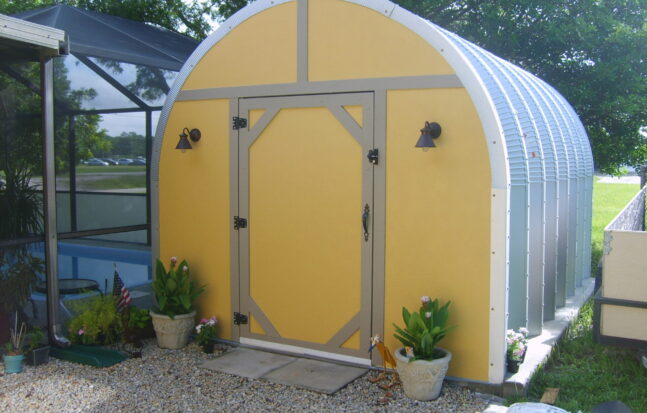
1. “Quonset huts are outdated WWII buildings.”
Myth: They are 1940s technology that failed to evolve.
Why this myth exists: Original Quonsets were military surplus; vintage photos dominate the internet.
Reality: Modern Quonset huts are fully engineered structures. They feature high-strength steel, advanced anti-corrosive coatings like Galvalume Plus, and precision roll-form manufacturing. These buildings meet modern building-code requirements across the globe. The shape remains popular because it works, not because innovation stalled.
What to know: Quonsets combine timeless arch strength with 21st-century materials.
2. “They cannot meet load requirements or receive permits.”
Myth: Inspectors won’t approve them.
Why this myth exists: Early DIY kits and non-engineered huts caused permitting headaches decades ago.
Reality: Today’s Quonsets are engineered for site-specific wind, snow, seismic, and exposure requirements. When engineered properly, they often pass the permitting process faster than stick-built structures.
What to know: Code compliance depends on site-specific engineering, which modern manufacturers provide.
3. “Quonset huts are only for storage or barns.”
Myth: You cannot use them for commercial or residential spaces.
Why this myth exists: Most examples occur on farms or military bases.
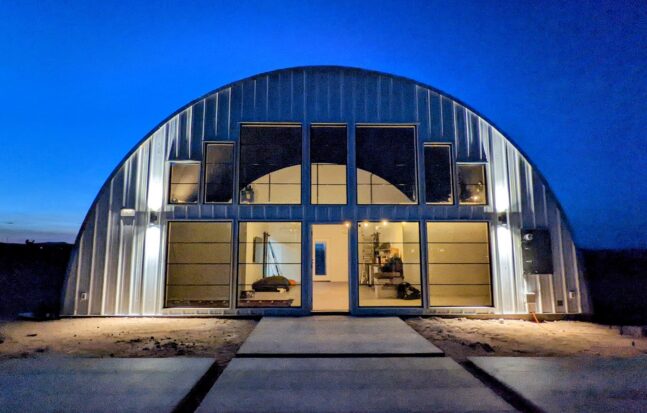
Reality: Quonsets are used for a variety of applications: workshops, manufacturing plants, fire stations, gyms, aircraft hangars, retail storefronts, and residences. Interior buildouts for kitchens, offices, and canopies are standard practice.
What to know: Quonsets adapt to almost any application with proper customization.
4. “They’re hard to insulate and impossible to climate control.”
Myth: Curved walls make insulation inefficient or difficult to install.
Why this myth exists: People imagine bare steel shells with no thermal protection.
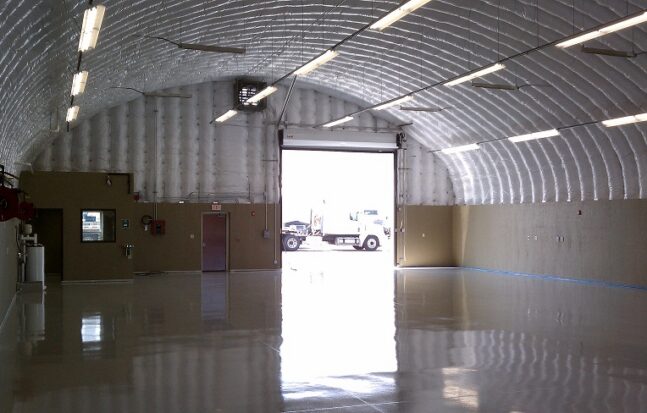
Reality: Spray foam and batten insulation perform exceptionally well. These materials conform to the curve, eliminating thermal gaps and air leaks. A properly insulated Quonset maintains high energy efficiency in extreme climates.
What to know: SteelMaster Quonset huts are covered in an Energy Star-rated coating, Galvalume Plus, helping keep interior temperatures stable.
5. “You lose usable space because of the curved walls.”
Myth: A traditional building yields more usable space.
Why this myth exists: People compare them to straight-wall buildings without considering vertical volume and options.
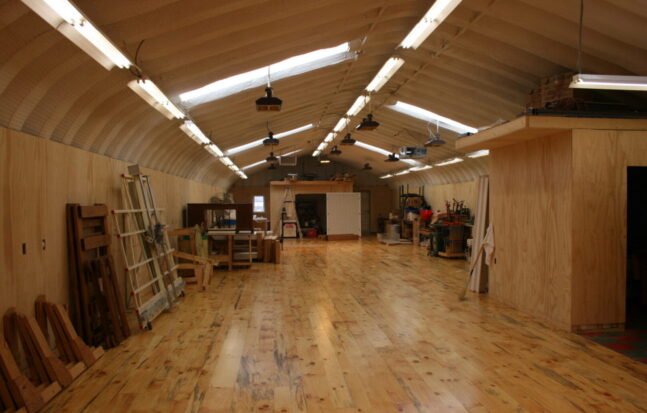
Reality: Quonsets can be designed with straight (models A & S), curved walls (model Q), or slanted (model X), and all three options offer full clear-span space with no interior columns, walls or framing in the way. Shelving, equipment, and mezzanines work extremely well when planned correctly.
What to know: Clear-span freedom often provides more total usable space than traditional buildings cluttered with support pillars or framing.

6. “Quonset huts are loud in rain or wind.”
Myth: They sound like a drum during storms.
Why this myth exists: Uninsulated agricultural huts of the past lacked sound-dampening.
Reality: Anti-corrosive coatings and modern insulation (spray foam or liner systems) dramatically reduce noise. Once finished, interior decibel levels match those of standard metal roof systems.
What to know: Noise levels are a function of the anti-corrosive coating and insulation choice, not the building shape or material.
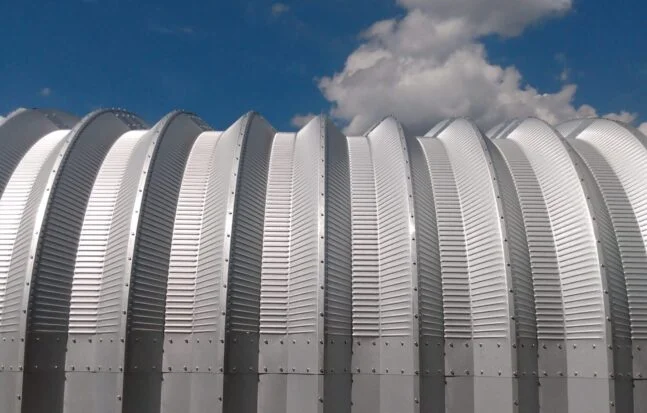
7. “Quonset buildings corrode and require constant maintenance.”
Myth: Metal structures inevitably degrade and require frequent repairs.
Why this myth exists: Older versions of Quonsets used lower-grade steel and primitive coatings.
Reality: Top-tier, modern Quonsets utilize galvanized steel with Galvalume Plus, a coating that lasts 50+ years with minimal upkeep. Corrosion resistance and long-term costs outperform traditional timber and straight-wall steel buildings.
What to know: Steel quality and advanced coatings ensure long-term durability.
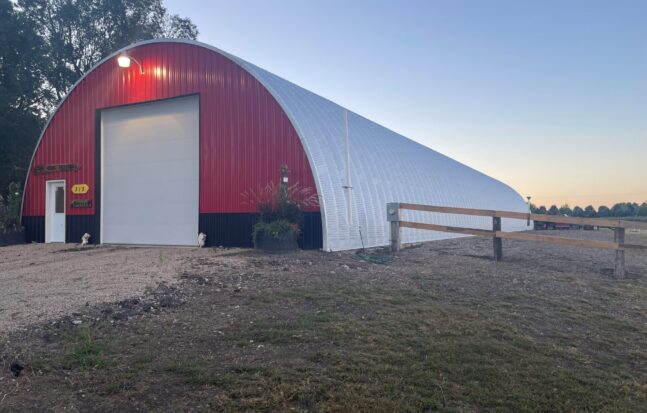
8. “They’re harder to expand or modify.”
Myth: Once the arches are bolted, the design is permanent.
Why this myth exists: People assume the arch shape limits flexibility.
Reality: Quonset kits are easy to assemble, disassemble, or relocate. Owners can lengthen a building by adding more arches. Furthermore, the structures support custom doors, windows, vents, and skylights.
What to know: Portability, expansion, and customization are inherent strengths of Quonsets, not weaknesses.
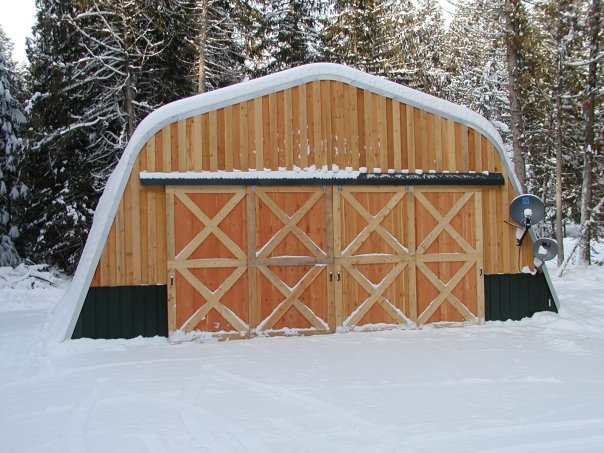
9. “They don’t perform well in extreme weather.”
Myth: Quonset huts are not strong enough to handle heavy snow or high winds.
Why this myth exists: Quonset huts are often mistaken for lightweight metal sheds or temporary buildings. Because there are no visible beams or rafters, people assume the structure is weaker than traditional framed buildings.
Reality: The arch is the strongest structural shape for shedding snow and resisting wind. Quonsets distribute loads efficiently. They handle heavy snow loads and withstand winds up to 190 MPH.
What to know: The arch shape provides superior protection from extreme environmental conditions.
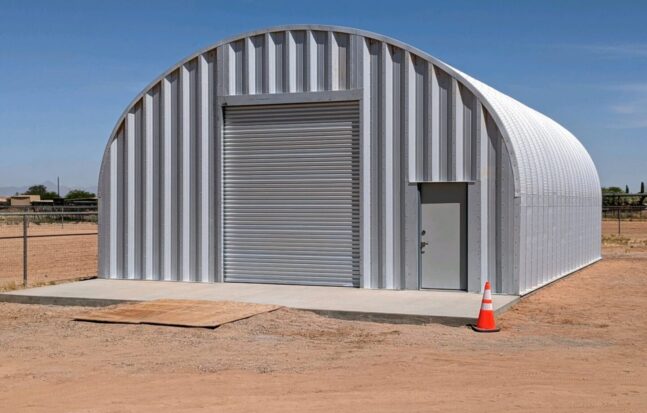
10. “Quonset huts are cheap because they’re low quality and temporary.”
Myth: Lower cost means corners are cut.
Why this myth exists: Pricing is compared to traditional construction without accounting for design efficiency.
Reality: Savings stem from fewer total materials and rapid do-it-yourself assembly. SteelMaster offers an industry-leading 50-year warranty, reflecting confidence in the quality of our structures.
What to know: Cost savings result from efficiency, not inferior construction.
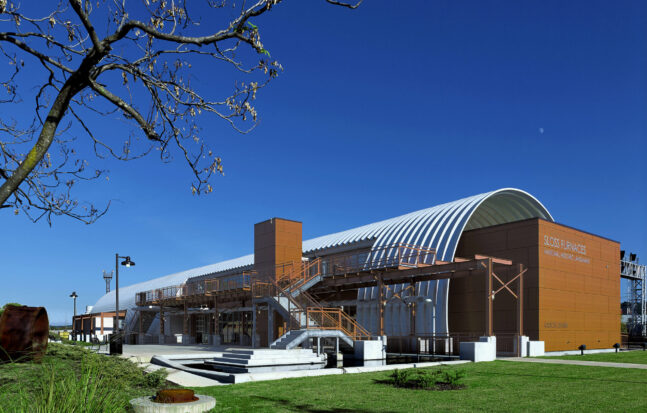
11. “They don’t look nice and are industrial.”
Myth: Quonsets are unattractive and lack curb appeal.
Why this myth exists: Bare, unmodified huts dominate search results and stock photos.
Reality: With modern end walls, glass facades, custom paint, and landscaping, Quonsets appear sleek and architectural. They are featured in award-winning buildings like the Detroit Caterpillar Project, historic renovations such as Sloss Furnaces National Historic Landmark, and amazing housing such as artist Bobby Furst’s Quonset compound.
What to know: The exterior look is a design choice, not a limitation.
Most Quonset myths come from three sources:
- Very old examples: Because arch buildings like Nissen huts, Jamesway huts, and Quonset huts have been around for so long, people assume issues from the past haven’t been solved with modern engineering and material science.
- Basic Quonset buildings: It’s true that a Quonset hut designed for things like storage or agricultural barns is basic and may lack features you look for in a building; however, a modern Quonset can be designed to meet exacting standards for almost any use.
- Non-engineered kits: Kits that come with AutoCAD diagrams or “factory-stamped” blueprints instead of state-stamped blueprints won’t be as durable or long-lasting as those done by an engineer licensed in your local area.
Modern, engineered Quonset huts solve the issues people associate with them, often more efficiently than traditional buildings.