Hay Storage

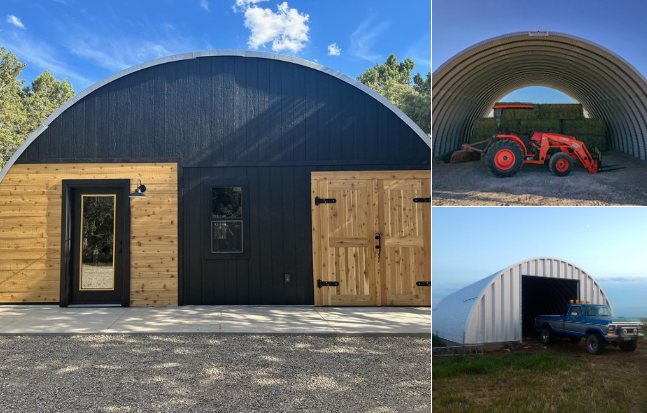
Q30-15.1-Hay-Collage
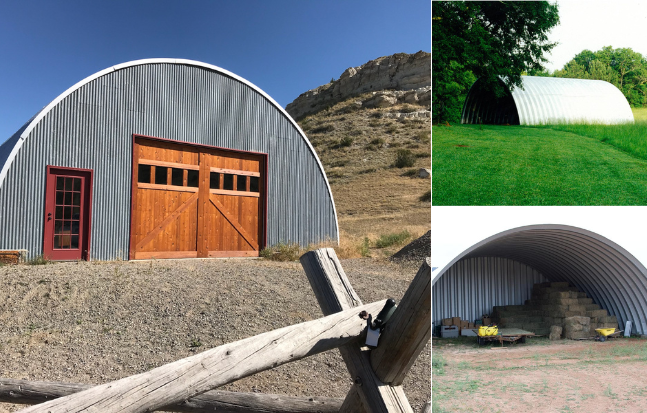
Q35-18.1-Hay-Collage
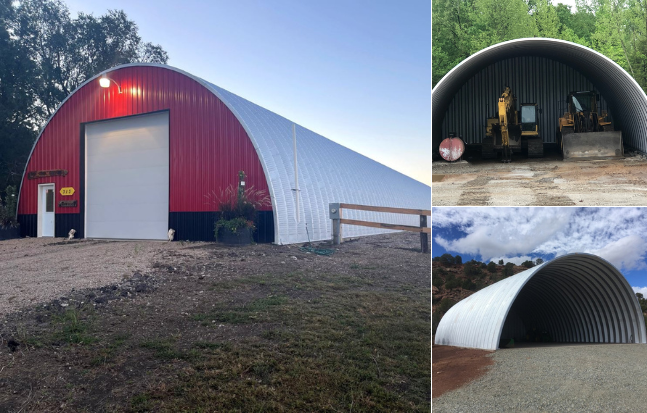
Q40-20.1-Hay-Collage
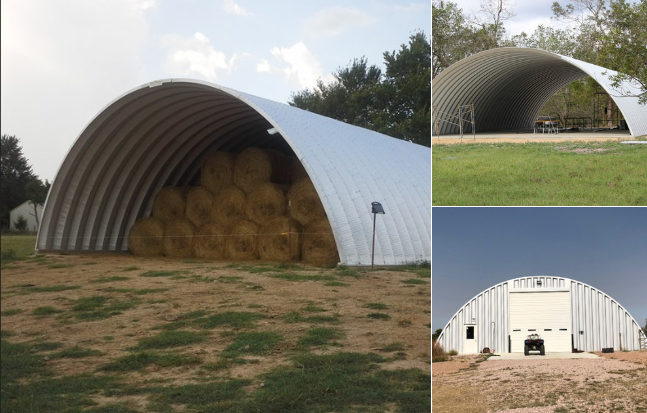
Q50-18.1-Hay-Collage
Q30-15.1-Hay-Collage
Q35-18.1-Hay-Collage
Q40-20.1-Hay-Collage
Q50-18.1-Hay-Collage

Hay Storage

Buy Now Price $
Sale Price $

This building is priced open-ended (no front wall, no back wall, no doors, no accessories).

Model

  • model_one

Width and Height

Length

Clear
Order Now

Looking for a different size? Click the button to get a custom quote or call for more information.

What’s Included

  • FREE State-Stamped Engineered Blueprints
  • FREE Building Design Consultation
  • EASY DIY Construction
  • 50-year warranty*
  • 100% of arch panels pre-cut to fit with prepunched holes and only two sizes of bolts.
  • Comes with: Steel arches, hardware, blueprints & instructions

Keep your hay dry and organized with a storage building designed to fit your space, budget, and local building requirements. From small farms to larger operations, these structures provide reliable protection for bales and feed, helping maintain quality season after season.


Sales and use tax are not included in price. Buildings are designed using standard keyway foundation and SteelMaster does not provide installation services. All projects are sold as DIY.

*Exclusions apply; see warranty for details.


  • Steel gauge minimum: 22-gauge*
  • Steel grade: Premium 80 grade
  • Corrugation depth: Standard 7.5in
  • Corrosion protection: Galvalume Plus
  • Standard hardware: Grade 2 hex bolts NZF3000 commercial grade coating & serrated hex head locking nuts

*Arches are priced in standard 22-gauge and may not meet your snow and/or wind load requirements. Buildings can be designed in thicker steel to meet higher wind and heavier snow loads. Consult with your building specialist for further details.


  • Minimal upkeep required compared to traditional building methods
  • 80,000 PSI high-strength steel, up to 4× stronger than competing options
  • Rated for snow & wind, including 300 PSF snow loads and 190 MPH winds
  • Backed by a 50-year warranty from the date of purchase
  • Engineered state-stamped blueprints provided for permitting in most jurisdictions
  • DIY design with pre-punched panels and minimal cutting or drilling
  • Clear-span interior with 100% usable floor space


Your hay storage building can be designed to fit your needs. SteelMaster offers add-ons, or you can locally source these building options.

  • Steel-framed openings
  • Steel endwalls
  • Custom endwalls
  • Overhead & canister garage doors
  • Man door/service doors
  • Heavy-duty roof skylights
  • Turbine & louver vents
  • Window frames


Choose between four models, depending on the look or engineering standards you want. When you work with SteelMaster, you get access to experienced building engineers who are certified in all 50 states to help you select the right Quonset model for you.

  • A Model – Straight side walls with pitched roof
  • S Model – Straight side walls with an arched roof
  • X Model – Angled walls with pitched roof
  • Q Model – Arched walls and arched roof


Not sure if a Quonset hay storage building is for you? Learn more about arch building kits. 


Hay Storage FAQs: Your Guide to Protecting and Storing Hay


How much hay can a building hold?

The amount of hay a building can hold depends on the size of the structure and how it’s stacked.

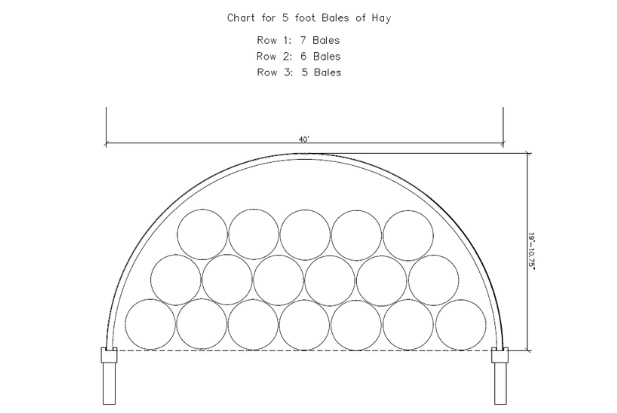
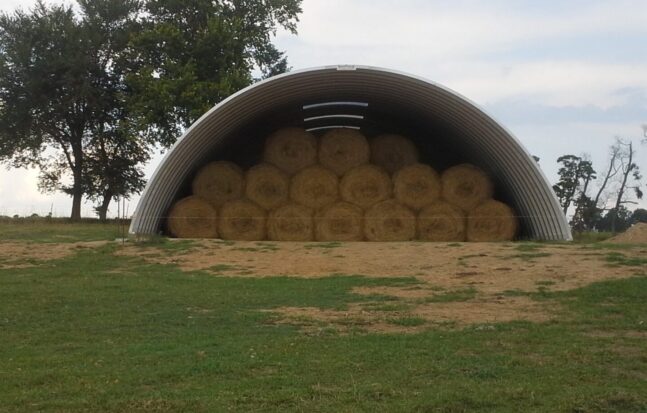
For example, in a 40’ wide Quonset layout designed for 5-foot round bales, you can typically fit multiple rows, such as 7 bales in the first row, 6 in the second, and 5 in the third.

This type of staggered stacking helps maximize space while maintaining stability. Total capacity will increase as you extend the length of the building. Your exact capacity will depend on bale size, stacking method, and overall building dimensions.


What is the best layout for storing hay efficiently?

An efficient hay storage layout focuses on maximizing space while maintaining airflow and accessibility. Staggered row arrangements, like 7-6-5 bale configurations, help optimize width while keeping stacks stable.

It’s also important to leave space for loading and unloading, especially if you’re using large equipment.

Many customers choose open-ended designs to allow easy drive-through access. Planning your layout ahead of time helps ensure you get the most out of your available space.


How do I prevent moisture buildup inside the building?

Preventing moisture is key to protecting hay from mold and spoilage. Proper ventilation is one of the most important factors, helping to reduce condensation and allow airflow throughout the structure. Open-ended designs or, if the building is enclosed, added ventilation systems can improve air circulation and work to create a drier, more stable storage environment.

Can I leave the building open-ended for easy access?

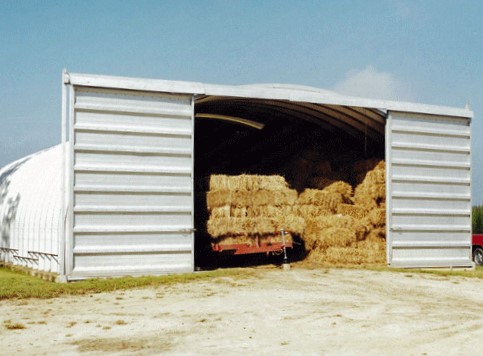
Yes, most hay storage buildings are open-ended for easy access. This allows equipment to move in and out efficiently during loading and unloading and helps improve airflow, which is important for reducing moisture.


Are these buildings suitable for round and square bales?

Yes, Quonset-style buildings can accommodate both round and square bales. The open interior makes it easy to stack and organize different bale types.

Layout and spacing may vary depending on the size and shape of the bales.

Round bales often require more height and spacing, while square bales can be stacked tighter. The flexibility of the structure allows you to adjust based on your needs.


How do Quonset-style buildings perform in different weather conditions?

Quonset-style buildings are designed to perform well in a variety of weather conditions. The curved shape helps shed snow and reduce wind resistance. The steel arches provide durability against rain and long-term exposure to the elements. Each building is engineered based on local requirements for wind and snow loads. This makes them a reliable option for year-round outdoor use.

Can I expand the building later as my storage needs grow?

Yes, Quonset buildings can be extended in length to increase storage capacity. This allows you to start with a size that fits your current needs and expand later by adding extra arches to extend the structure. This flexibility is especially useful for growing operations.


Can I store equipment along with hay?

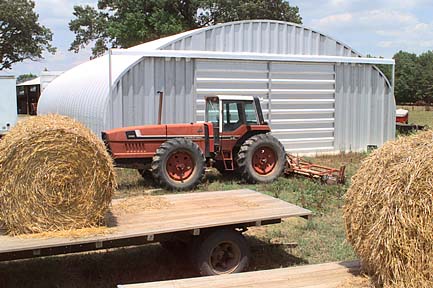
Yes, this type of multipurpose use is common for farms and agricultural operations.

The clear-span interior allows you to designate separate areas for storage and machinery.

It’s important to plan your layout to maintain safe access and avoid overcrowding. Keeping equipment accessible can improve efficiency during daily use.


What maintenance is required for a hay storage building?

Hay storage buildings made from steel require minimal maintenance. The Galvalume Plus coated panels are designed to resist rust and weather damage. Routine inspections and basic cleaning are usually sufficient to keep the building in good condition. With proper care, maintenance remains simple over time.


Can I customize the building for my operation?

Of course, Quonset huts are incredibly customizable.

You can choose the size, layout, and access points based on how you plan to use the space.

Options like endwalls, vents, and door placement can be adjusted for your agricultural operations.


What factors affect the cost of a hay storage building?

The total cost includes both the building kit and additional project expenses. The building package typically covers the steel structure, engineered plans, and core components, with pricing influenced by size, location, and customization. Additional costs may include foundation work, site preparation, permits, and installation. Optional features like doors or ventilation can also impact the final price. The overall cost will depend on how you plan to use the building and the level of customization needed.

What’s Included?

The base kit includes the components for the complete structural shell of the workshop:

  • 80-grade steel arches
  • AZ60/AZM180 Galvalume Plus coating
  • NZF30000 commercial-grade bolts
  • LPDE industrial strength washers
  • Serrated hex head locking nuts
  • State-stamped blueprints
  • Construction manual
  • Shipping costs

Additional Costs

Additional costs may include:

  • State and local taxes
  • Foundation
  • Site prep and installation

Optional accessories can be added to your order or sourced locally, depending on your needs:

  • Endwalls
  • Doors
  • Insulation
  • Window frames
  • Windows (must be sourced locally)
  • Base connector