

DIY vs. Contractor: The Ultimate Quonset Kit Decision Guide
When purchasing a Quonset steel kit, your most pivotal decision isn’t the color or the size—it’s who will turn the wrenches. While manufacturers like SteelMaster Buildings design these kits for the “everyman,” the choice between DIY and professional installation impacts your project cost, structural warranty, and completion timeline.
This guide breaks down the true requirements of each path to help you align your choice with your skills, budget, and project goals.
Quonset Construction Decision At a Glance
| Feature | DIY Contruction | Professional Contractor |
|---|---|---|
| Cost | Saves 40–60% on labor | Higher price for expertise |
| Time | Fast; 1.5–2 days for assembly | Flexible "Turnkey" completion |
| Tools | Basic (Drills, Wrenches, Ladders) | Specialized (Lifts, Cranes, Scaffolding) |
| Warranty | Coating (typically 50 years) | Labor/Installation warranty (in most cases) |
| Skill Level | Basic Handyman / DIYer | Professional Licensed Trades |
Understanding the Quonset System
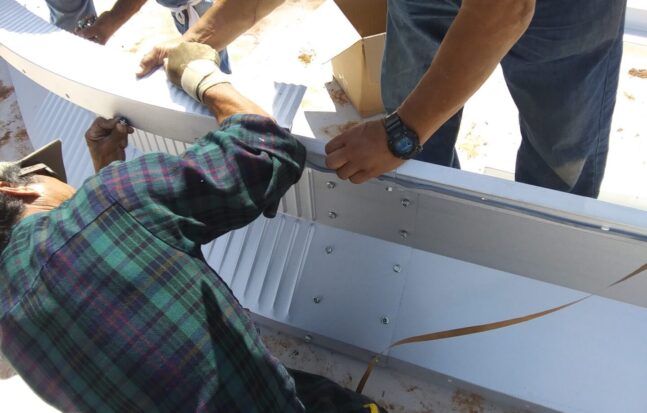
Unlike traditional stick-built or I-beam construction, Quonset huts are modular.
- The Kit: You receive pre-punched, 22-gauge steel arch panels, nuts, bolts, and instructions.
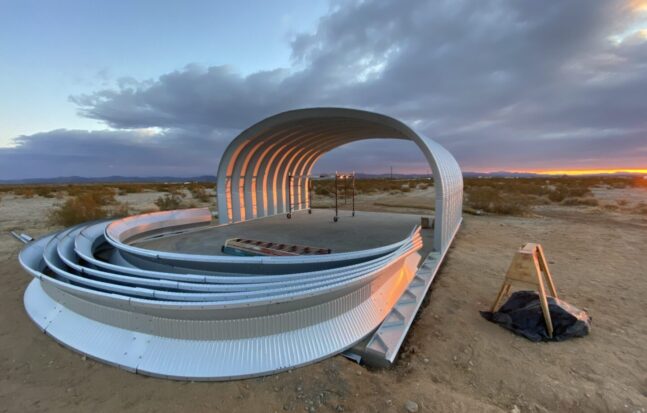
- The Process: It follows a 6-step lifecycle: Planning → Site Prep → Arch Assembly → Placement → Final Tightening → Customization.
- Why it’s DIY-friendly: There is no welding, cutting, or heavy framing. If you can use a cordless drill and a wrench, you can theoretically build a Quonset hut.
The DIY Path: Building It Yourself
The Benefits
- Massive Cost Savings: Labor is the largest variable in construction. By DIYing, you keep that 40–60% of the budget in your pocket.
- Total Autonomy: You aren’t at the mercy of a contractor’s “no-show” or “delayed” schedule.
- Knowledge of the Structure: You’ll know every bolt and seam, making future maintenance or modifications simple.
The Requirements
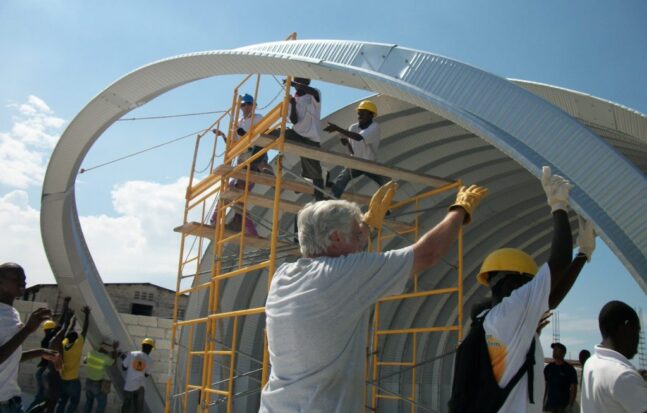
- The Crew: You need at least 3 reliable helpers. While panels are light (~40 lbs), a completed arch is heavy and requires coordinated lifting.
- The Gear: You’ll need drift pins (for alignment), S-hooks, laser levels, and scaffolding or high ladders.
- Physicality: Expect high-intensity labor—reaching overhead, climbing, and tightening hundreds of bolts.
Note on Foundations: Many “DIYers” choose a hybrid approach: Hire a professional for the concrete slab/foundation (which must be level to within 1/8th of an inch) and handle the steel assembly themselves.
The Professional Path: Turnkey Installation
The Benefits
- Speed & Efficiency: A professional crew can erect a 20×30 garage in a fraction of the time a first-timer can.
- Liability & Warranty: If the building leaks due to a loose bolt, the contractor fixes it. If you DIY it, that’s your responsibility.
- Complex Navigations: Contractors handle local building codes, permitting, and inspections—often the biggest headaches in any project.
The Trade-offs
The “Premium”: Expect a significantly higher total cost, with installation sometimes adding several thousand dollars.
Rigidity: Once the contract is signed, mid-build “creative changes” are difficult and expensive to implement.
Final Verdict: Which One Are You?
Choose DIY if you:
- Have experience with DIY projects or some construction background
- Are building smaller to medium-sized structures (40’W and under)
- Have reliable friends, family, or helpers who can commit time to the project
- Enjoy hands-on projects and take satisfaction in building things yourself
- Have adequate time to dedicate to planning, construction, and completion
Choose a Contractor if you:
- Have no construction experience or confidence in your ability
- Are undertaking complex or large building projects
- Have tight deadlines or need the building operational quickly
- Face complex local building codes requiring professional knowledge
- Have physical limitations
Next Steps
- Check Local Codes: Research your building department requirements for buildings.
- Inventory Your Tools: Do you have a 3/8″ variable speed drill and ladders or scaffolding?
- Define Building Needs: Figure out the approximate size and requirements of your building project.
- Get a Quote: Contact SteelMaster to see the current lead times for your specific model.
Additional SteelMaster Resources
- Construction Guide – Detailed step-by-step instructions for building your Quonset
- Product Guides – Comprehensive information on different building models and options
- Project Gallery – Real-world examples of completed Quonset buildings
- Schedule a consultation with a Building Specialist for personalized guidance